The Role of Bicycle Headset Bearings in Riding Performance and Structural Design
In a complete bicycle structure, the headset system is often overlooked compared to drivetrain or braking components, yet it plays a decisive role in handling performance. Smooth steering, precise control, and long-term stability all depend heavily on the performance of the headset bearings.
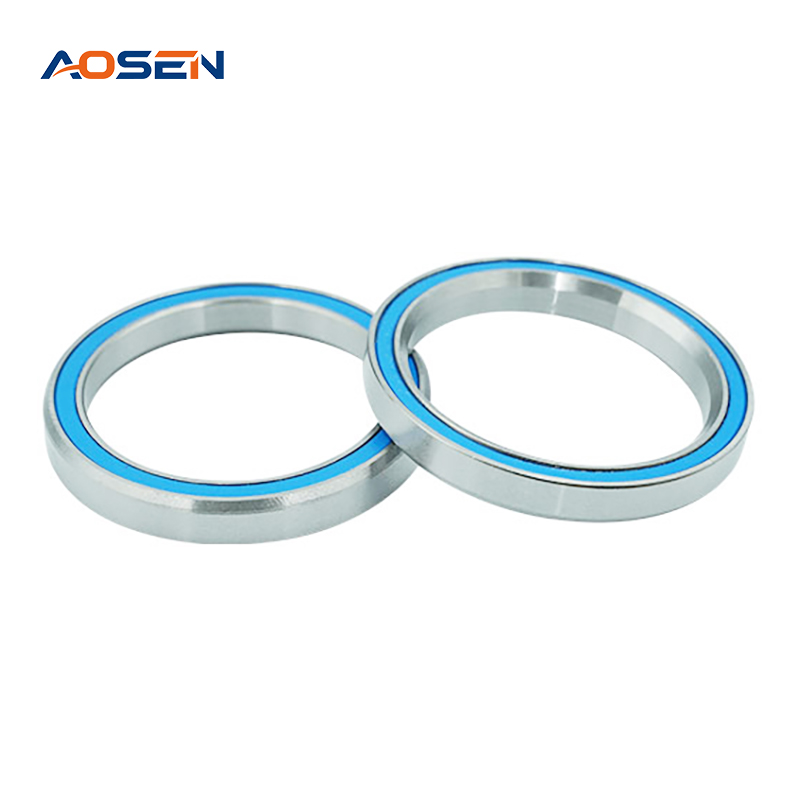
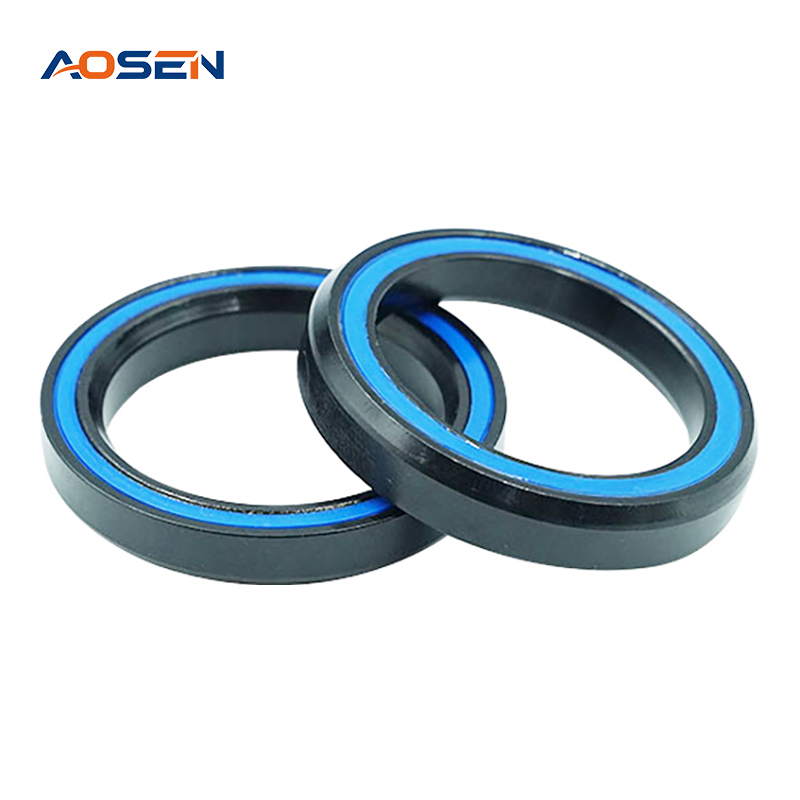
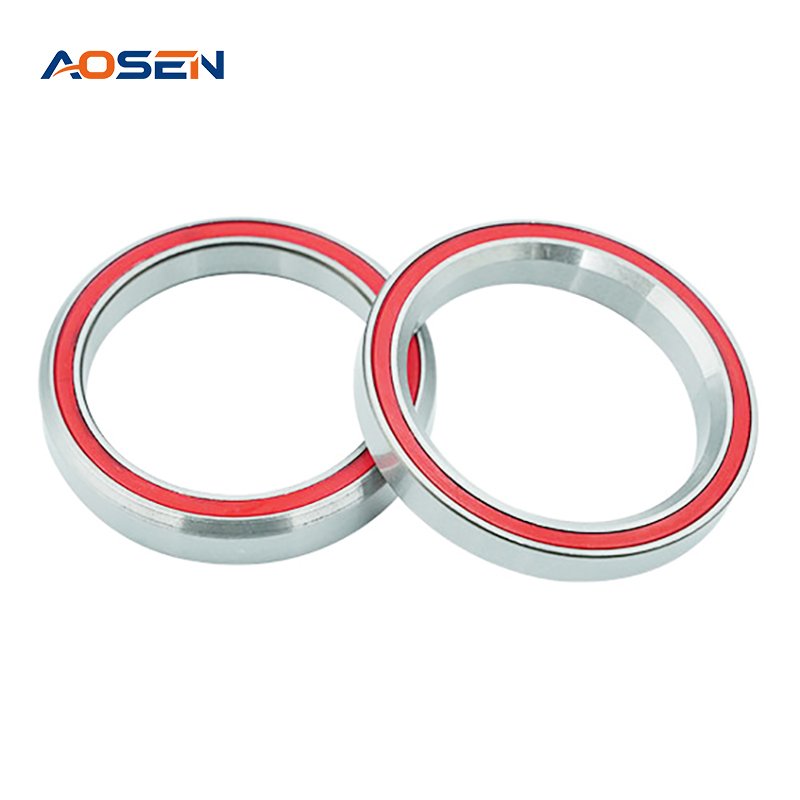
Positioned between the frame head tube and the front fork, bicycle headset bearings support both load and rotation. This dual function requires a balance between stability under pressure and low resistance during steering. Compared with standard industrial bearings, these products place greater emphasis on smoothness and durability rather than pure load capacity.
As a professional bearing export company supported by our own manufacturing facility established in 2016, we have extended our deep groove ball bearing expertise into bicycle headset bearing applications. With nearly a decade of production experience, our factory has developed a mature system that combines manufacturing reliability with global supply capabilities.
Impact of Different Structural Types on Riding Experience
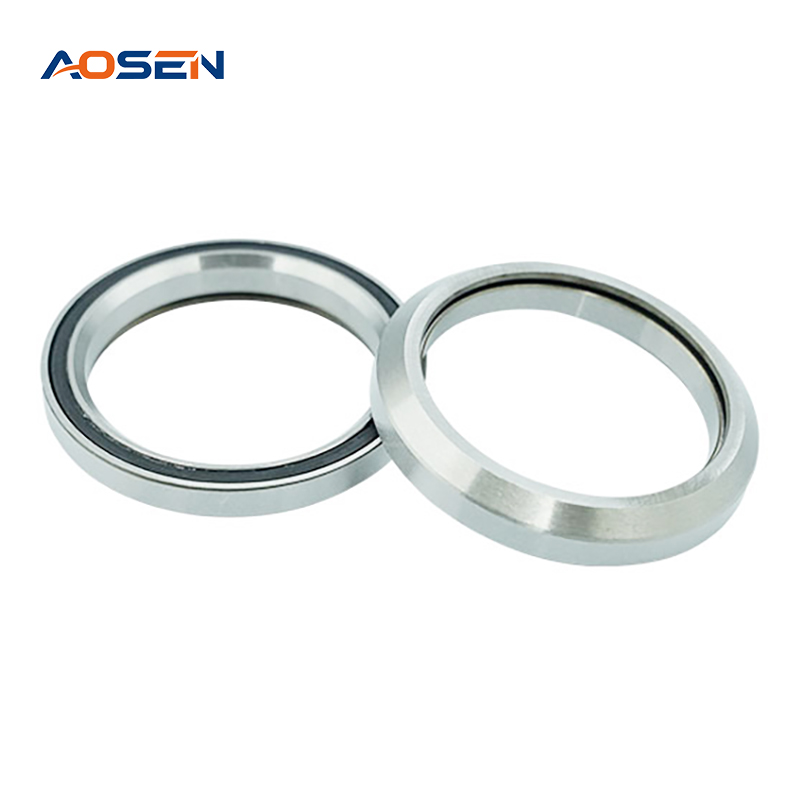
Headset bearings are commonly available in external, semi-integrated, and fully integrated designs. Each structure affects installation, load distribution, and overall appearance. External types are easier to maintain, while integrated systems provide a cleaner design but require higher precision.
In practical applications, road bikes often prefer integrated systems for better aerodynamics and aesthetics, while mountain and commuter bikes prioritize ease of maintenance and durability.
Effect of Sealing Design on Durability
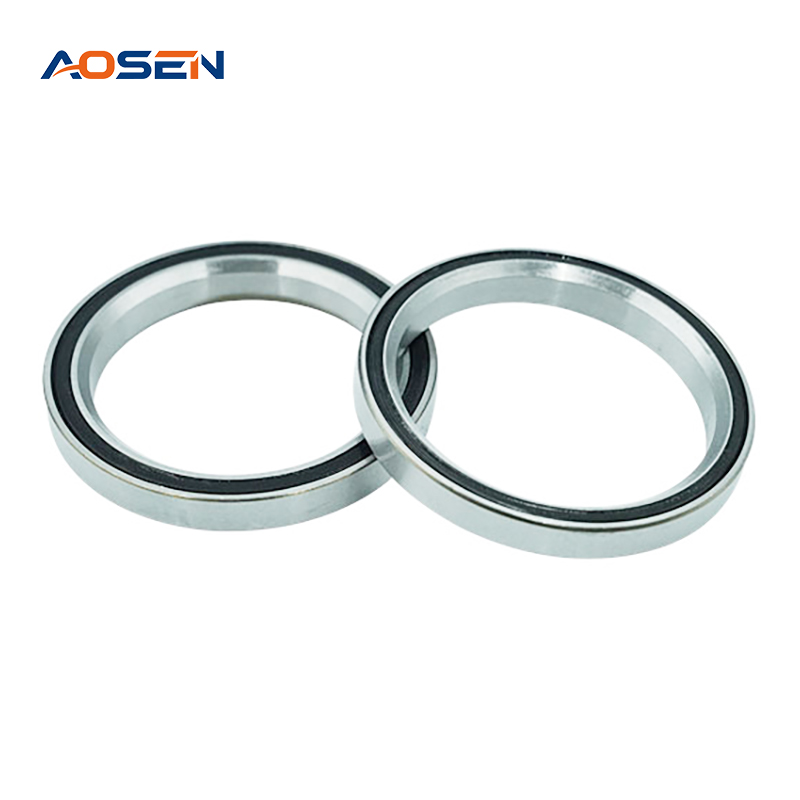
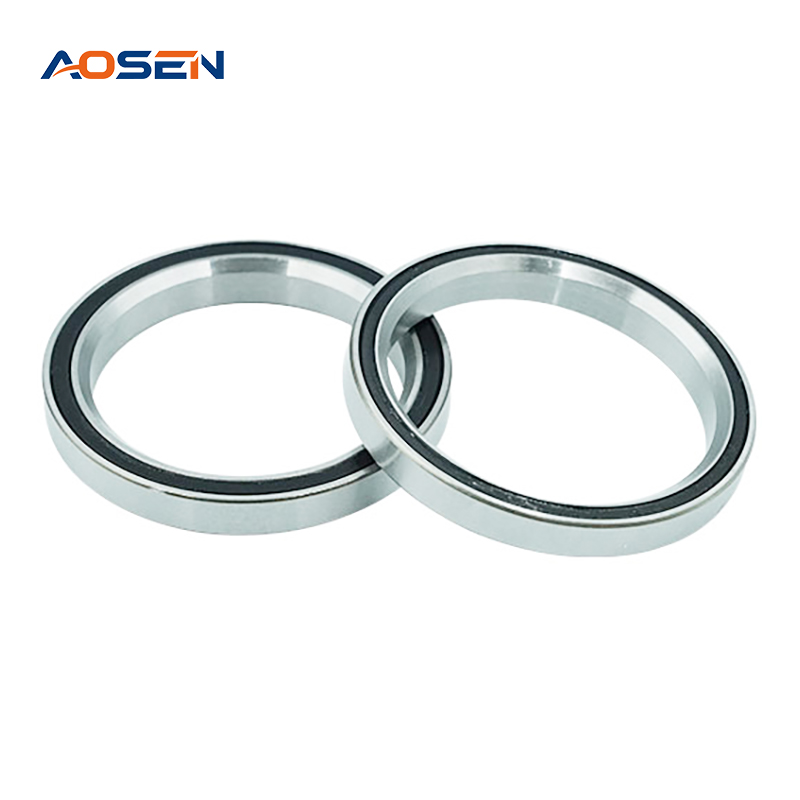
Cycling environments often involve dust, water, and debris. Without proper sealing, contaminants can enter the bearing and accelerate wear. Metal shields offer lower resistance and are suitable for clean environments, while rubber seals provide better protection in harsh conditions.
Sealing design must balance smooth rotation and protection. This balance directly affects both lifespan and riding feel.
Connection Between Rotational Precision and Control Feedback
The rotational accuracy of headset bearings determines steering responsiveness. Improper internal clearance may result in stiffness or looseness.
Precision depends on raceway finishing, ball consistency, and assembly control. High-quality bearings provide smooth, stable steering even at higher speeds.
Processing and Assembly from a Manufacturer Perspective
As a manufacturer, product stability relies on coordinated control of machining and assembly. Bike headset bearings require high precision despite their small size.
Key factors include grinding accuracy, tolerance control, assembly cleanliness, and coordination between manual and automated processes.
Impact of Production Capacity on Delivery Stability
Production capacity determines how reliably orders can be fulfilled. With our own factory, we maintain consistent output and can respond quickly to varying order volumes.
This allows flexible scheduling and stable delivery, especially important for international customers managing inventory and timelines.
Role of the Supplier in Global Cooperation
As a supplier, responsibilities extend beyond product delivery. Effective communication, sample confirmation, order tracking, and logistics coordination are essential parts of the process.
An integrated manufacturing and supply system reduces communication barriers and improves efficiency for customers.
Customization: From Standard Products to Application Fit
Different bicycle brands and models require specific headset configurations. Customization includes size adjustments, structural modifications, surface treatments, and sealing solutions.
This flexibility ensures the bearing fits seamlessly into the overall bike design without compromise.
Quality: Stability Built on Detailed Control
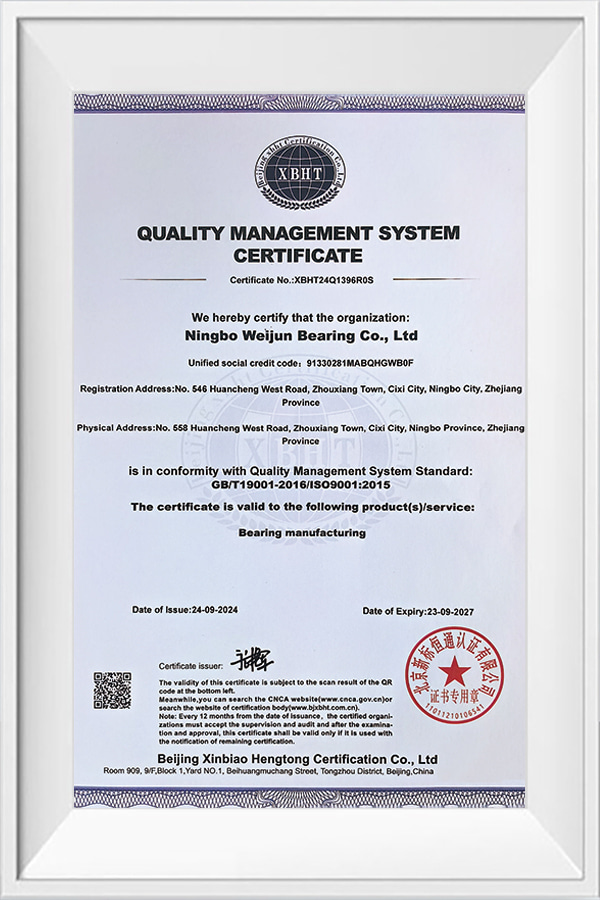
Riding experience depends on smooth and quiet operation. This is achieved through precise manufacturing and strict quality control, including rotation testing and noise inspection.
Consistent quality reduces maintenance needs and enhances long-term performance.
Multiformity: Adapting to Diverse Cycling Needs
Different cycling disciplines require different bearing characteristics. Road bikes prioritize low resistance, mountain bikes require impact resistance, commuter bikes focus on durability, and e-bikes demand stability.
A diverse product range ensures compatibility with various applications.
Capacity: Ensuring Continuous Supply
Stable production capacity supports continuous market supply. Our factory enables batch production, quick replenishment, and simultaneous manufacturing of multiple models.
This ensures reliable availability for long-term partners.
Cost: Understanding Value from a Lifecycle Perspective
Cost is not limited to purchase price. A durable bearing reduces replacement frequency, lowers maintenance costs, and improves overall riding efficiency.
Optimized production processes help balance cost and quality, creating long-term value.
FAQ
What causes noise in headset bearings?
Noise is usually caused by insufficient lubrication, contamination, or improper assembly clearance.
Can different headset bearing types be interchanged?
It is not recommended, as compatibility depends on frame design and dimensions.
How can service life be extended?
Maintaining proper sealing and lubrication, along with regular inspection, helps extend lifespan.
Is customization available for small quantities?
Yes, production can be arranged based on specific requirements.
How to choose the right model?
Selection depends on frame size, riding conditions, and application type.